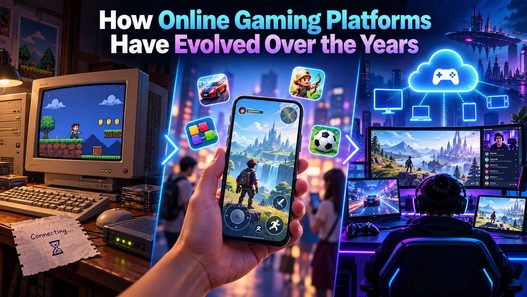



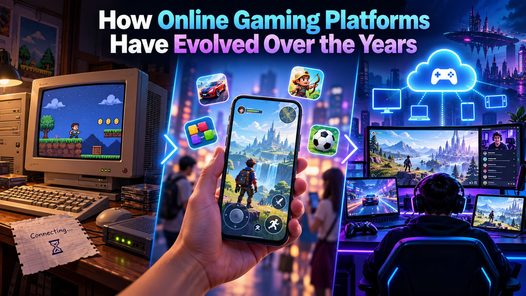
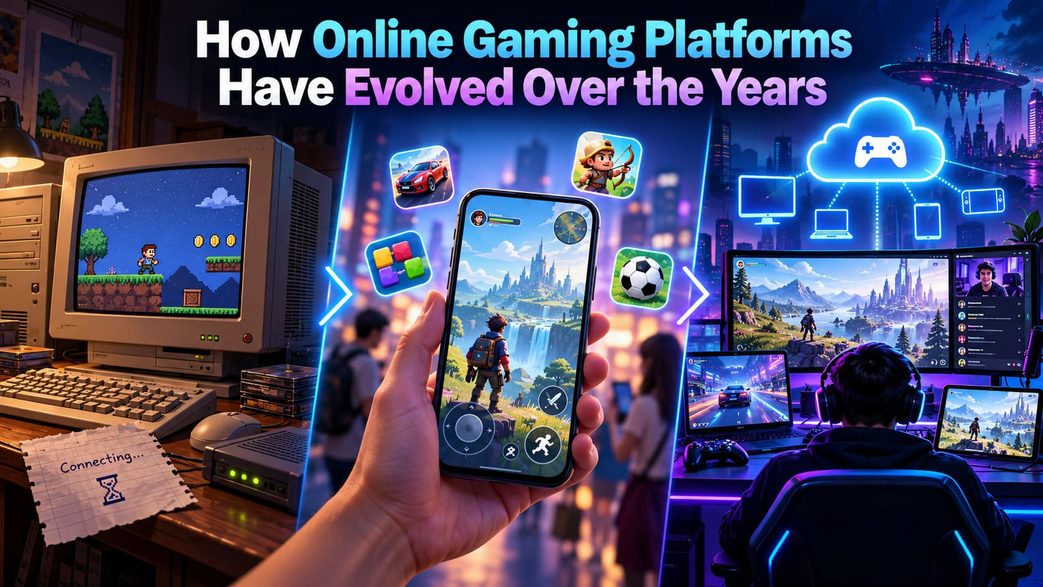
Online gaming has changed from a simple browser-based activity into one of the most advanced parts of the digital entertainment industry. What once depended on basic graphics, slow connections and limited multiplayer options has become a large ecosystem built around mobile apps, cloud servers, live chat, subscriptions, digital payments and global communities.
The shift did not happen overnight. It came through several stages, each shaped by better internet access, stronger devices and changing user expectations. Today, online gaming platforms are no longer judged only by the games they offer. They are also evaluated by speed, security, accessibility, payment options, community features and how smoothly they work across different devices.
From Downloads to Always-Connected Platforms
In the early years, many online games required full downloads, manual updates and dedicated desktop setups. Players often had to install heavy files, create separate accounts and deal with technical issues before starting. Multiplayer gaming was possible, but it was usually limited by connection speed and server availability.
That model gradually changed as broadband internet became more common. Gaming platforms began shifting toward automatic updates, centralised launchers and account-based libraries. Instead of treating each game as a separate product, companies started building ecosystems where users could store purchases, manage profiles and access content from one place.
This change made gaming more convenient, but it also made platforms more powerful. A gaming service could now recommend new titles, manage subscriptions, process payments, host communities and collect performance data. The platform itself became just as important as the individual game.
Mobile Gaming Changed the Market
The rise of smartphones created one of the biggest changes in online gaming. Games no longer required a console or gaming PC. A mobile device was enough to access puzzle games, strategy titles, multiplayer battles, streaming apps and social gaming platforms.
This opened the market to a much wider audience. Casual players became a major force, and gaming companies began designing shorter sessions, simpler controls and reward-based systems that worked well on smaller screens. App stores also made distribution easier, allowing developers to reach users without physical copies or traditional retail channels.
Mobile gaming also changed payment habits. Instead of one-time purchases, many platforms introduced in-app purchases, subscriptions, digital wallets and region-specific payment methods. This approach later influenced other areas of online entertainment as well.
Cloud Gaming and Streaming Reduced Hardware Barriers
Cloud gaming introduced another major step in the evolution of online gaming platforms. Instead of relying entirely on local hardware, users could stream games from remote servers. This made it possible to play more demanding titles on devices that would not normally support them.
The model is still developing, but it has changed expectations. Players increasingly expect games to be available across screens, including phones, tablets, laptops and smart TVs. The same account may now work across several devices, with progress saved automatically.
This mirrors wider changes in digital media. Streaming services changed how people watch films and series. Cloud gaming is attempting to do something similar for interactive entertainment, although performance still depends heavily on internet speed and server quality.
Trust and Safety Became More Important
As online gaming platforms grew, so did concerns around safety. Account security, payment protection, privacy settings and age controls became more important. Competitive games also had to deal with cheating, harassment, fake accounts and unfair play.
Modern platforms now use stronger verification systems, two-factor authentication, moderation tools and automated fraud detection. These features are not always visible during casual use, but they are essential to keeping digital gaming environments stable.
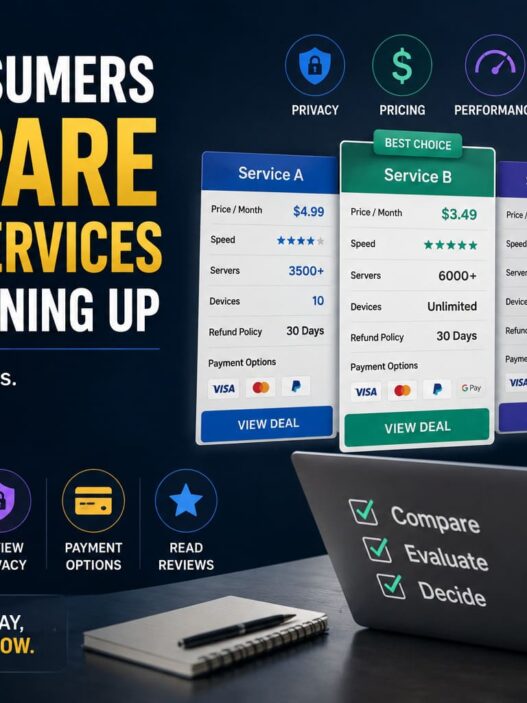
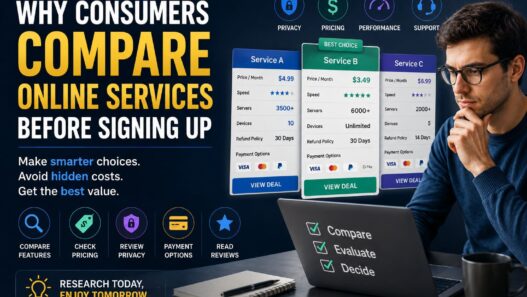
Trust also matters when users compare entertainment platforms before signing up. This can include checking payment options, registration conditions, platform reputation and how clearly terms are explained. In specialised areas of online entertainment, comparison pages such as uudet nettikasinot show how users increasingly look for organised information before choosing where to create an account. The same behaviour can be seen across gaming subscriptions, cloud gaming services, mobile app stores and digital marketplaces.
Communities Became Part of the Product
Online gaming is no longer only about playing. It is also about watching, chatting, competing and sharing. Platforms now include friend lists, voice chat, live events, creator tools, rankings and community spaces. For many users, the social layer is one of the main reasons they return.
This has changed how games are designed. Developers now think about long-term engagement rather than one-time completion. Seasonal updates, battle passes, online tournaments and community challenges keep platforms active for months or years.
The growth of streaming has strengthened this trend. A popular game can become part of online culture through clips, live broadcasts and creator communities. In some cases, people spend as much time watching games as playing them.
Payments and Subscriptions Are Now Central
Earlier gaming platforms relied mostly on direct purchases. Today, the payment landscape is more varied. Users may pay through subscriptions, digital wallets, prepaid cards, mobile billing, gift cards or in-game purchases. Some platforms also offer free access supported by optional upgrades.
This gives users more flexibility, but it also makes comparison more important. A platform may look affordable at first, but the total cost can change depending on add-ons, renewal terms, downloadable content and payment rules. Clear pricing and simple cancellation processes have become important parts of the user experience.
For gaming companies, payment flexibility can help reach more markets. For users, it can make platforms easier to access, especially in regions where card usage is lower or local payment systems are preferred.
The Line Between Gaming and Media Has Blurred
Gaming platforms now overlap with streaming, social media, digital commerce and online events. A platform may host live concerts, sell digital items, stream tournaments and support creator content. This has made online gaming a wider entertainment environment rather than a standalone activity.
The change is especially visible among younger users, who often treat games as social spaces. They meet friends, watch events, customise avatars and follow creators inside gaming ecosystems. This has pushed companies to invest more in community tools, moderation and personalisation.
The result is a market where gaming platforms compete not only with each other, but also with video apps, social networks and other digital entertainment services.
What Comes Next
The next phase of online gaming is likely to focus on faster access, stronger personalisation and safer digital environments. Artificial intelligence may support moderation, recommendations and customer service. Cloud infrastructure may reduce hardware limits further. Cross-platform accounts may become more common as users expect their progress, purchases and profiles to follow them across devices.
At the same time, users are likely to become more selective. They will look for platforms that are transparent, secure and easy to use. Speed and content will still matter, but trust, payment clarity and account safety will become just as important.
Conclusion
Online gaming platforms have evolved far beyond their early form. They have moved from simple downloads and basic multiplayer systems into complex digital ecosystems that combine games, payments, communities, streaming and security tools.
This evolution reflects a broader change in online entertainment. Users now expect convenience, safety and flexibility from every digital service they use. As gaming platforms continue to develop, the most successful ones will be those that make access simple, protect users properly and provide clear value beyond the game itself.