


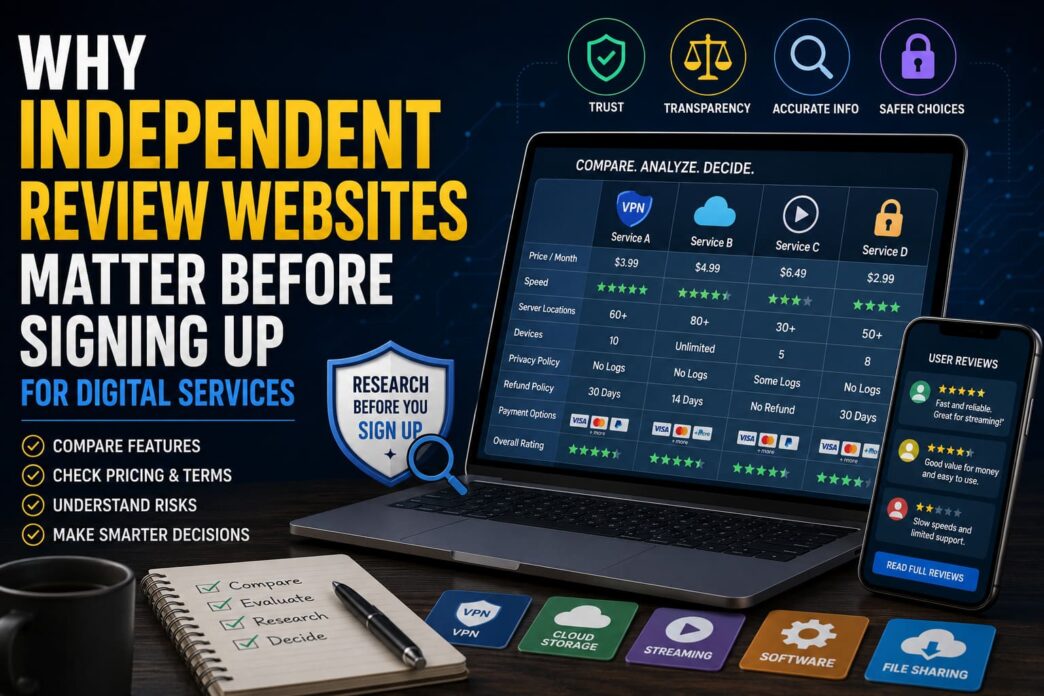
The number of online services competing for attention has grown sharply in recent years. Streaming platforms, VPNs, cloud storage tools, software subscriptions, media apps, browser extensions and entertainment platforms all promise speed, convenience and better access. For the average user, the challenge is no longer finding a service. The harder part is knowing which one can actually be trusted.
This is where independent review websites have become more important. They help organise information that would otherwise be scattered across company websites, app stores, social media posts and advertising pages. A good review platform does not simply repeat marketing claims. It compares features, explains limitations and highlights practical details that users may miss before signing up.
Online Choices Have Become More Complicated
A decade ago, many online services were easier to evaluate. A person looking for a media player, VPN, torrent client or file-sharing tool could often make a decision based on a few basic factors such as price, speed and device compatibility. Today, the decision is more layered.
Users now need to consider privacy policies, renewal terms, payment options, data storage, regional restrictions, customer support and cancellation rules. In some cases, even two services that appear similar on the surface can differ significantly once the terms are examined properly.
This is especially true in areas connected to digital access and online entertainment. A VPN service may advertise fast servers but restrict certain locations under cheaper plans. A cloud storage platform may offer a low entry price but charge extra for backup features. A streaming service may promote a large content library but limit access based on country. Without independent comparison, these details can be difficult to notice.
Review Sites Help Reduce Information Gaps
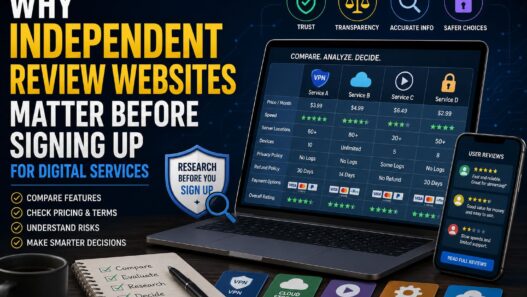
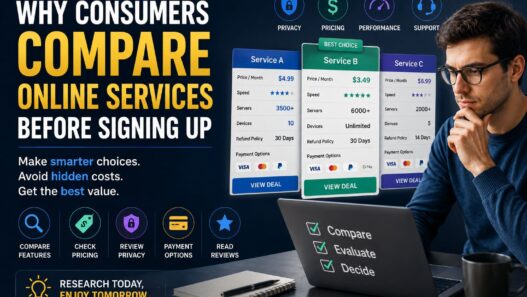
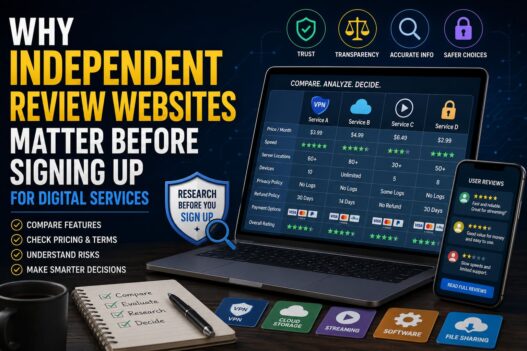
Independent review websites are useful because they reduce the gap between what companies advertise and what users actually need to know. They often bring together technical details, pricing information, user experience notes and service conditions in one place.
For example, a review of a VPN provider may compare server coverage, speed performance, privacy standards and refund terms. A software comparison site may explain whether a tool is suitable for beginners or only for advanced users. A media platform review may look at device support, download options and subscription flexibility.
The same principle applies across specialised entertainment categories as well. Platforms such as pikakasinot show how independent review formats can help organise service information in a focused market, including payment options, platform features, usability and sign-up conditions. The wider value is not limited to one category. It reflects a broader shift toward clearer online decision-making.
Trust Depends on Transparency
Not every review website is equally useful. Some are built mainly for promotion, while others make a real effort to compare services fairly. The difference usually comes down to transparency.
A reliable review website should make it clear how services are assessed. It should explain whether rankings are based on testing, user feedback, editorial research or commercial partnerships. It should also update information regularly, because online services change pricing, features and terms often.
This matters because outdated reviews can mislead users. A VPN that performed well two years ago may no longer offer the same server quality. A file-sharing tool that was once reliable may now contain unwanted bundled software. A subscription platform may change its cancellation process or payment rules. Independent review sites are most valuable when they keep pace with these changes.
Safer Decisions Before Signing Up
Before signing up for any digital service, users often make decisions based on limited information. A clean website, a discount banner or a positive social media comment can create confidence quickly. But those signals are not enough on their own.
Independent reviews can help identify practical risks before payment details are shared. These may include automatic renewals, unclear refund policies, weak support channels, limited payment methods or privacy concerns. In sectors where personal data, downloads, digital payments or account verification are involved, these details are especially important.
For torrent users and media consumers, this kind of checking is even more relevant. Many online tools claim to improve access, speed or privacy, but the quality varies widely. Review websites can help users separate useful tools from services that are poorly maintained, overly aggressive with ads or unclear about data handling.
Businesses Also Benefit From Better Comparisons
Independent review platforms are not only useful for users. They can also push companies to improve. When services are compared side by side, weak areas become more visible. A company with poor customer support, unclear pricing or limited compatibility may lose ground to competitors that explain their offering more clearly.
This creates pressure for better service standards. Businesses that are confident in their product can use comparison platforms to highlight strengths. Smaller companies may also benefit because review sites can give them visibility against larger brands, provided their features and pricing are competitive.
In this sense, review websites contribute to a more mature digital marketplace. They make competition less dependent on advertising volume and more dependent on trust, usability and value.
The Role of Human Judgment
Even the best review website cannot make every decision automatically. Personal needs still matter. A service that works well for one person may not be the right fit for another. A heavy downloader may prioritise speed and privacy. A casual streaming user may care more about price and device support. A small business may need stronger customer service and reliability.
Independent reviews are most useful when they support judgment rather than replace it. They provide structure, comparisons and warnings, but the final decision still depends on individual priorities.
Conclusion
The growth of digital services has made online choice more convenient, but also more complicated. Independent review websites now play an important role in helping users understand what they are signing up for before committing money, time or personal information.
For sectors linked to software, media access, privacy tools and online entertainment, this added layer of research can prevent poor decisions. As more services move online and competition increases, review platforms that focus on clarity, accuracy and transparency are likely to become even more valuable.