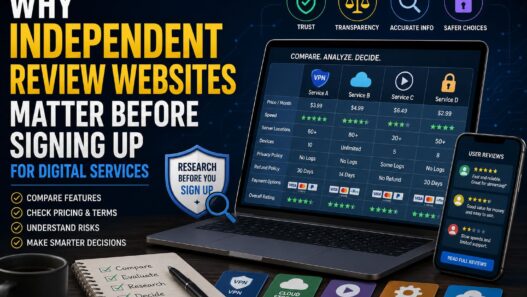

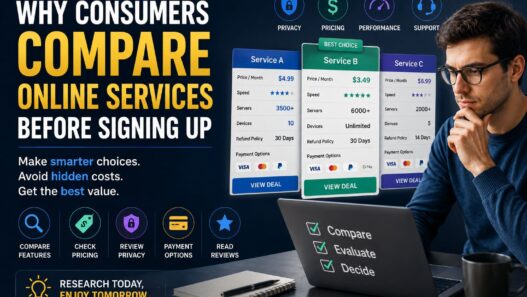




Europe’s digital consumer market has become more crowded over the past decade. From telecom plans and insurance policies to travel bookings, energy contracts and subscription services, customers are now faced with more choices than ever before. That growth has created demand for a different kind of online service: comparison platforms that organise information and make competing offers easier to understand.
These platforms are no longer limited to price checks. Many now focus on transparency, user reviews, payment options, licensing information, cancellation terms and customer support standards. As a result, comparison websites have become an important layer between businesses and consumers across several digital industries.
Consumers Want Simpler Decisions
The appeal of comparison platforms is easy to understand. Online markets move quickly, and companies often promote similar services using different pricing structures or benefits. In many sectors, the headline price is only one part of the decision. Contract terms, renewal conditions, fees, delivery timelines and customer service quality can matter just as much.
This is especially visible in industries such as travel, personal finance, broadband, streaming and digital entertainment. A hotel booking platform may help customers compare location, cancellation policies and guest ratings. A broadband comparison service may show speed, contract length and installation cost. A financial comparison website may help users evaluate interest rates, fees and eligibility conditions.
The same pattern has appeared in more niche digital categories as well. Platforms such as CasinoVergelijker show how comparison models are being used to organise information in specialised online entertainment markets, where users often want to review payment methods, platform features and service terms before making a decision. The broader trend is not about one industry alone, but about the growing need for clearer digital information across many sectors.
Trust Has Become a Competitive Factor
For comparison platforms, trust is now central to their value. Early comparison websites often focused mainly on ranking providers by price. Today, that approach is no longer enough. Consumers expect clearer explanations of how listings are selected, whether commercial partnerships influence rankings and how often information is updated.
This has encouraged stronger editorial standards in the sector. Many platforms now include review processes, category filters, provider summaries and explanation pages that help users understand what is being compared. The most effective services are those that reduce confusion without oversimplifying important details.
Businesses also benefit from this shift. A strong presence on credible comparison platforms can help companies reach customers who are already researching a purchase. Instead of relying only on advertising, brands can compete on clearer terms such as value, service quality, speed or flexibility.
Regulation Is Also Changing the Market
European regulators have been paying closer attention to digital marketplaces, online advertising and consumer protection. Industry discussion around the Digital Services Act, including IAB Europe’s Digital Services Act overview, reflects how online platforms are being pushed toward stronger transparency, clearer disclosures and better information for users.
This has affected how comparison platforms present rankings, sponsored placements and user reviews. Transparency around commercial relationships is increasingly important, particularly when a website earns commissions from referred traffic.
This does not mean comparison platforms are becoming less useful. In many ways, regulation could strengthen the sector by encouraging clearer labeling, better disclosure and more responsible presentation of information. Platforms that invest in accuracy and transparency are likely to benefit as consumers become more selective about where they get advice online.
A More Mature Digital Marketplace
The rise of comparison platforms reflects a wider change in online behavior. Consumers are not only searching for products and services. They are searching for confidence before making decisions. That confidence often comes from seeing options side by side, understanding the trade-offs and checking whether a provider fits specific needs.
This is part of the same digital shift affecting media, streaming and peer-to-peer distribution. A related Torrentz article on how torrenting is changing the future of media consumption points to the wider move toward flexible online access and more choice in digital content.
As digital markets continue to expand, comparison services are likely to play a larger role in how people navigate choice. Their success will depend on how well they balance commercial goals with editorial clarity and consumer trust.
For Europe’s online economy, the message is clear. More choice does not automatically mean better decisions. The next stage of digital growth will depend not only on how many services are available, but also on how clearly those services can be compared.