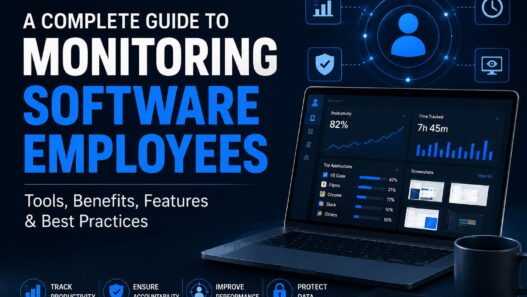

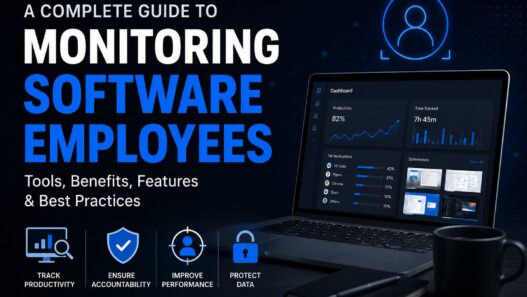




Every business wants employees to complete work on time. Managers also want teams to stay focused during work hours. Many companies struggle because they do not fully understand how employees spend their time during the day. Some tasks take longer than expected. Some projects slow down because of communication problems. Employee monitoring software helps businesses study daily work activity. These systems help companies create better workflows and improve productivity across teams.
Helps Managers Understand Daily Operations
Managers need clear information about workplace activity. Without proper software employee monitoring system, many problems remain hidden for long periods. Deadlines may get delayed before anyone notices the actual cause.
Employee monitoring systems provide records of work activity during the day. Managers can review project progress and attendance details. This helps companies understand where work slows down. Businesses can then fix problems before they affect larger projects.
Helps Employees Use Time Better
Many employees work on several tasks during the same day. Some workers spend too much time on less important activities. This creates delays in important assignments.
Monitoring software helps employees stay aware of their work habits. Workers can check task records and review how they spent their time. This awareness often helps employees manage schedules more carefully. Many workers become more disciplined after using tracking systems regularly.
Reduces Workplace Distractions
Modern workplaces include many interruptions. Employees receive calls and messages throughout the day. Frequent meetings also reduce working time in many offices.
Employee monitoring systems help businesses study these problems. Managers can review workflow reports and understand where interruptions happen most often. Companies can then change work processes to reduce delays. Some businesses shorten meetings after reviewing time reports. Others improve communication methods to help employees stay focused.
Improves Team Accountability
Employees perform better when expectations remain clear. Monitoring systems help teams stay aware of deadlines and assigned work. Workers can review their own progress during projects.
Managers can also track timelines without asking for updates all day. This creates more transparency inside teams. Employees often communicate better when everyone understands project responsibilities clearly.
Supports Remote Work Environments
Remote work changed how businesses manage employees. Managers cannot directly observe daily activity in remote setups. Because of this many companies now use monitoring tools to maintain work structure.
Employees can update task progress from different locations. Managers can review work records without interrupting employees during the day. This system supports smoother coordination across remote and hybrid teams. Some companies also use software employee monitoring tools to improve communication between departments.
Helps Businesses Plan Better
Business decisions become easier when companies have proper work data. Monitoring reports help managers understand project timelines and workload patterns.
Managers can identify departments that need extra support. They can also improve project schedules based on actual work records. This helps businesses distribute tasks more effectively across teams.
Bottom Line
Employee monitoring software helps businesses improve productivity through better visibility into daily work. These systems help employees manage time with more discipline. They also support stronger communication across teams. When companies use monitoring tools fairly they help create a more organized and productive workplace.